Bobby Traister — StoryI don't take your picture. I direct it.
Bobby Traister is a portrait and headshot photographer based in Overland Park, Kansas, working throughout the Kansas City metro as ELEMENT1X. But photography is only the latest chapter. Before picking up a camera, Bobby spent more than three decades building some of the largest and most complex industrial projects in the world — LNG facilities, power plants, and chemical complexes across six continents and more than 100 countries. Thirteen of those years were spent living overseas. That life shaped the way he sees people long before he ever photographed them. Today, he creates directed editorial portraits for executives, seniors, families, and individuals who want something more considered than simply standing in front of a camera. Every session begins with the environment — the light, location, mood, and composition — then the subject is placed and directed within it. The result is portraiture that feels intentional, cinematic, and distinctly personal.
Before the camera
For more than three decades, I built things large enough to change skylines.
Power plants. LNG facilities. Chemical complexes. Projects involving thousands of people, years of planning, enormous risk, and countless moving pieces that all had to come together in exactly the right sequence.
That work took me across six continents and more than 100 countries. I spent thirteen years living overseas and called places like Thailand and the Philippines home.
For much of my life, I was the visitor.
And somewhere along the way, I became far more interested in people than the structures we were building.
I noticed how differently people carried themselves depending on where they were. How confidence changed with environment. How culture shaped expression. How someone could appear guarded in one setting and completely open in another.
I learned that space matters.
Light matters.
Environment matters.
Give someone the right surroundings, and something changes.
They stop performing.
They begin to reveal themselves.
It took me more than three decades to realize that lesson would eventually become the foundation of my photography.

Changing the frame
When I came to photography, one idea already felt familiar:
You do not build the scene after the subject arrives.
You build it first.
Construction had taught me to think in light, scale, sequence, structure, and movement through space. A project was imagined long before anything was placed in the ground.
Photography, I discovered, was not entirely different.
I had spent more than three decades composing environments.
I just hadn't been using a camera.
When I finally picked one up, I wasn't learning how to see.
I was changing the size of the frame.
What I do now
Now I build something smaller.
One person. One place. One frame at a time.
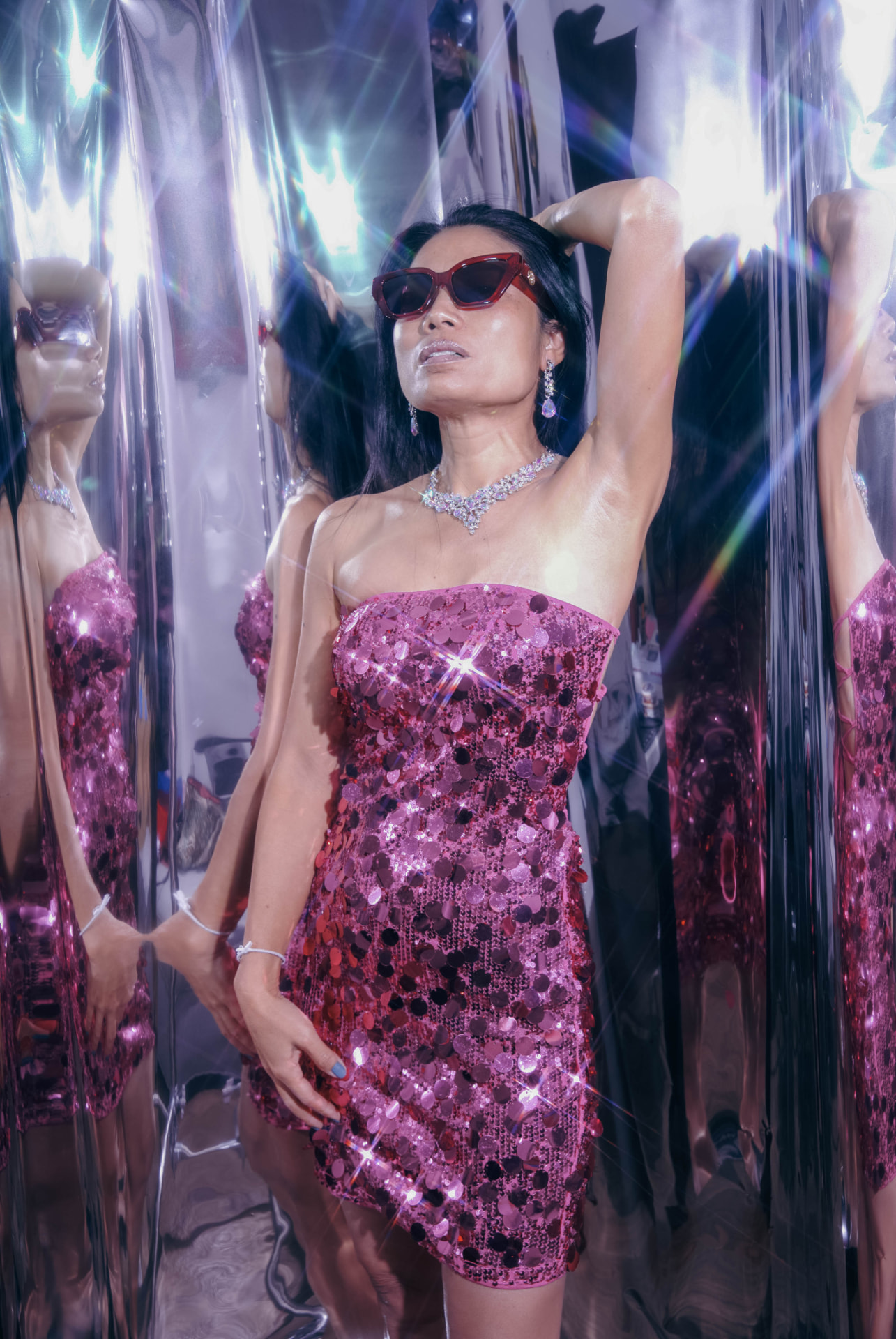
It might be a vintage Kansas laundromat before sunrise, a quiet street after dark, or a place we find because it feels like it belongs to you. The location is never just a background. It becomes part of the story.
Then I direct you within it — not simply to record what you look like, but to create something with presence, character, and intention.
Most people have had their picture taken.
This is something different.
Every choice — the location, the light, the wardrobe, the composition, the direction — is deliberate. The result is a portrait that feels cinematic and refined, but still unmistakably yours.
Not just a photograph of you.
A photograph that feels like you belong in it.
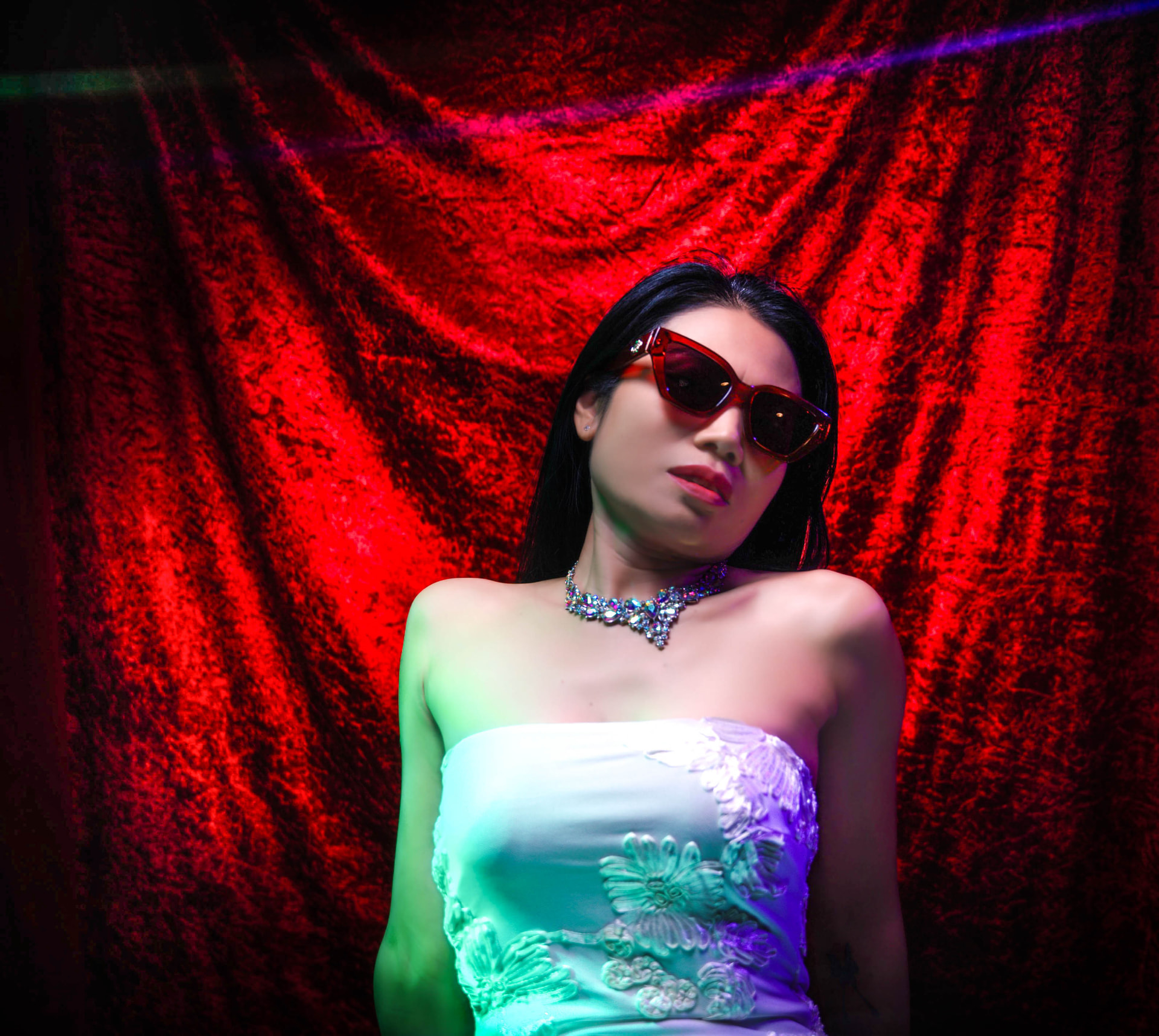
I'm still building. The materials are just different now. Light. Space. Trust. People.
Chiaroscuro — the signature edition →